
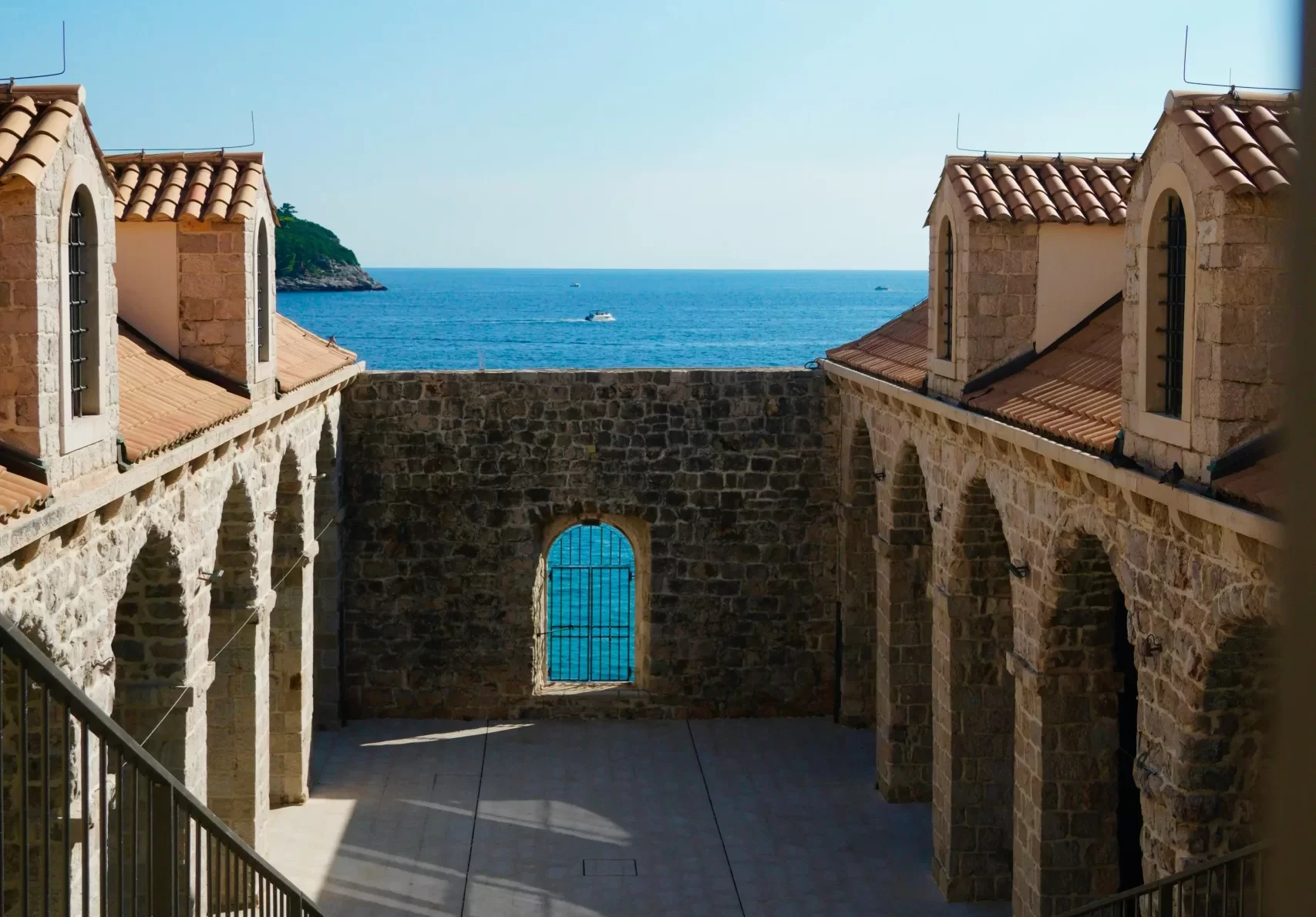
The world’s first formal quarantine system started in a hospital facility in Dubrovnik. The Great Council of the Republic of Ragusa (now Dubrovnik) made a groundbreaking decision in 1377 that stopped people from plague-affected areas from entering their territory. This innovative public health measure came decades before other European cities adopted similar practices.
The Republic built Lazareti, which was ready by 1647 and served as an isolation hospital during plague and cholera outbreaks. Dubrovnik’s history shows how the city put public health first while staying a key Mediterranean port, even as trade and merchant traffic kept growing. Visitors who walk through Dubrovnik’s old city can find this remarkable complex that worked as a quarantine station for more than 200 years until 1872. Many tourists now take private boat tours that Dubrovnik offers to see this historic landmark from the sea and appreciate its architectural beauty and its important role in early epidemic control.
Why Dubrovnik Needed Lazareti
Dubrovnik stood at the meeting point of East and West, rising to become one of the Mediterranean’s most powerful maritime republics. The city’s mercantile marine ranked third in the world by the 16th century. Ships like brigantines, carracks, and galleons filled the bustling port as they brought goods from distant lands.
This success came at a terrible cost. The Black Death ravaged Europe in 1348 and killed nearly two-thirds of Dubrovnik’s population. The steady stream of merchants, sailors, and travelers made the republic an easy target for infectious diseases that kept coming back.
The city’s leaders faced a tough choice: they needed to keep trade flowing while protecting their people from deadly epidemics. Many medieval cities shut their borders completely during outbreaks, but Dubrovnik’s authorities knew this would ruin their economy.
They came up with a practical solution that let trade continue under strict rules. This creative approach showed how well the Republic understood that healthy citizens and a strong economy went hand in hand. The city’s location added to these challenges since Ottoman territories just miles away often brought diseases from the east.
The government found ways to keep trading going on a smaller scale. Their careful planning paid off – the quarantine system protected Dubrovnik from two major plague waves (1575-77 and 1630) that hit Italian cities hard.
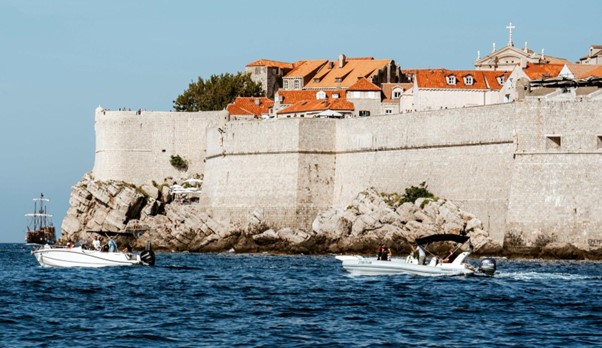
Modern tourists can see how this smart approach to public health helped keep the republic’s trading power strong. Boat tours around Dubrovnik give great views of the Lazareti complex. These tours help people picture how this hospital facility protected one of history’s most successful maritime nations.
Inside Lazareti: Architecture and Function
The magnificent Lazareti complex stands as evidence of architectural ingenuity that protected public health. Built between 1590 and 1642, this quarantine facility showcases ten interconnected stone halls (naves) and five interior courtyards behind thick, fortress-like walls.
Located just outside the eastern city walls near Ploče Gate, the complex gave direct access to the harbor. Sailors could watch their goods being unloaded while staying isolated. This clever placement next to Dubrovnik’s old port and main entry point made it perfect to screen merchants and travelers before they entered the city.
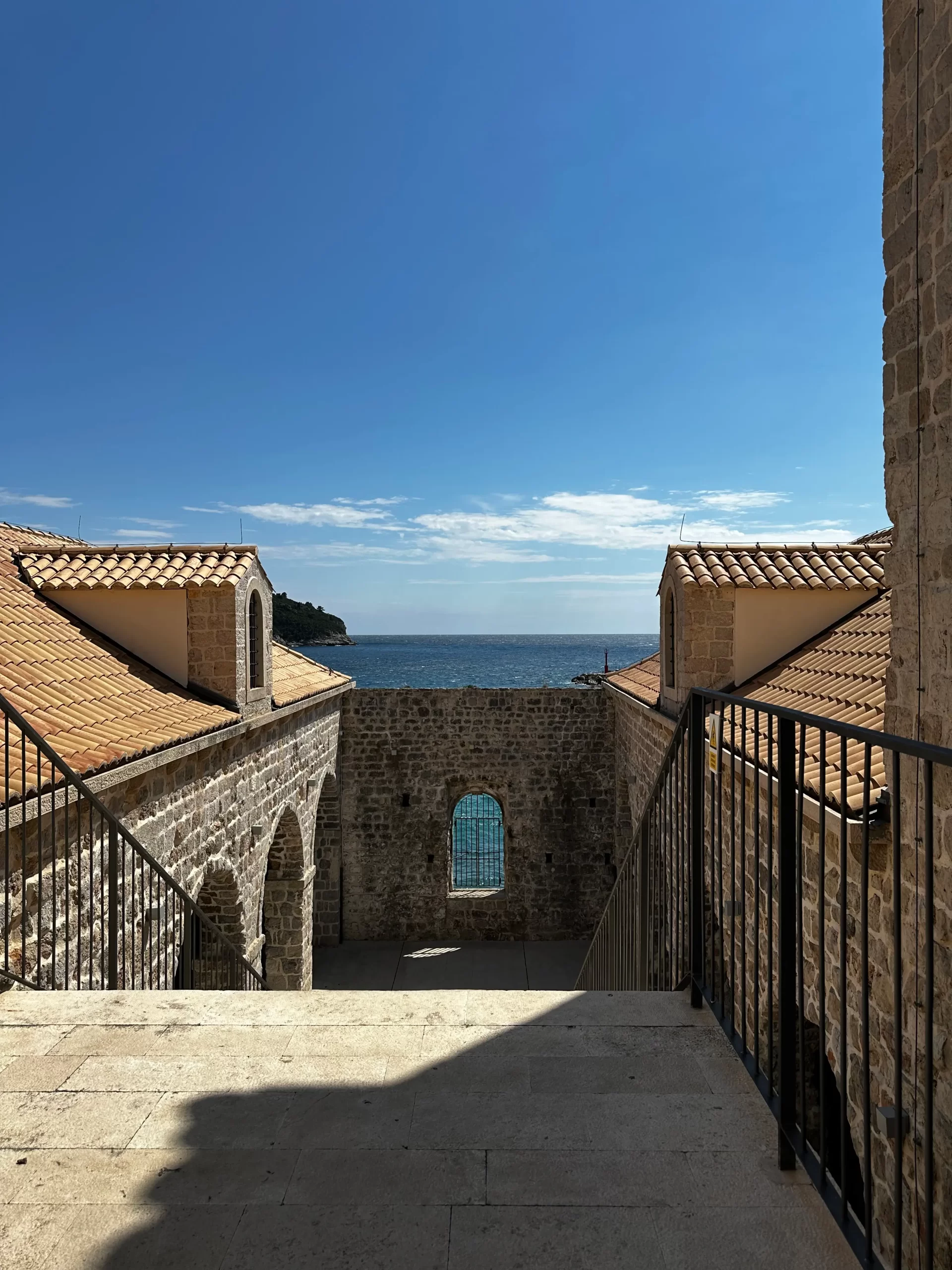
The complex’s design shows a deep understanding of quarantine requirements. Large staircases connect the shared upper courtyard at street level to individual, lower courtyards by the sea. Ship crews could monitor their stored goods through small windows in each upper building. The barred windows in every courtyard offered sea views that created what a visitor once called a “picture in picture” effect.
The builders completed this complex in phases. They started with three courtyards, covered porches, and crew dwellings, then added two more courtyards later. The lower ground floor featured arcades and courtyards, while the upper shared courtyard had small homes. Quarantined passengers lived in these homes and watched over goods stored below.
The quarantine balanced isolation needs with comfort. People under quarantine could walk on the plateau and enjoy fresh air on small terraces, though they couldn’t mix with released individuals. The Republic managed to keep this complex running with public funds through the centuries, with its final major renovation happening in 1784.
Lazareti remains one of Europe’s only surviving examples of maritime quarantine architecture. Despite modest repairs in 1969-70, the complex still shows its original layout. The vaulted ceilings, arched passageways, and stone courtyards reflect Dubrovnik’s Renaissance and Baroque heritage beautifully.
A New Life for Lazareti: Culture and Travel
The historic Lazareti complex has evolved from a quarantine facility into a thriving cultural hub. Art Workshop Lazareti began breathing new life into this magnificent 17th-century structure in 1988, which now stands as an independent cultural center for contemporary and performing arts.
Five dedicated NGOs work together as the informal Platform for Lazareti. These organizations include Art Workshop Lazareti, Student Theater Lero, Audiovisual Center Dubrovnik, Deša (which develops civil society), and Luža (which promotes media culture). These groups have made the historic building their home and created a cultural center that serves local community needs.
Lazareti’s renovated spaces buzz with cultural activities. Art exhibitions, workshops, lectures, theater performances, and dance shows fill these historic halls. The famous Linđo folklore ensemble showcases traditional Croatian dances in authentic costumes twice weekly during tourist season – Tuesdays and Fridays at 9:30 pm. Club Lazareti’s three levels, both indoor and outdoor, pulse with music from jazz bands to DJ nights.
The complex’s transformation into a modern creative hub received €3.4 million in EU funding. This money supported the rebuilding of three naves, archeological excavations, and renewable energy installations for outdoor lighting. The renovation maintained the building’s historic exterior while updating its interior spaces for modern use.
Lazareti welcomes visitors just 300 meters from Dubrovnik’s Old Town near Ploče Gate. Entry to the complex costs nothing, though some events need tickets. Nightlife comes alive in the evenings, while cultural events dominate daytime hours.
Lazareti stands as a testament to Dubrovnik’s resilience, innovation, and cultural heritage – visible from both the city walls and offshore waters. A private boat tour offers a unique perspective of this historic gem, much like 17th-century sailors once experienced it from the sea.
Europe’s Oldest Quarantine Station
Lazareti shows how innovative Dubrovnik’s spirit has been through the centuries. This architectural marvel means more than being Europe’s oldest quarantine station – it shows a civilization that balanced trade success with public health during deadly epidemics. The Republic protected itself and kept commerce flowing for 225 years, which saved countless lives and businesses.
These historical grounds create a deep connection between past and present. The stone halls and courtyards that sheltered quarantined travelers tell the story of Dubrovnik’s maritime power during plague outbreaks. Today’s cultural events in these spaces prove how historical sites can blend perfectly with modern creative expression.
Lazareti belongs among Dubrovnik’s landmarks. This hidden gem may not share the fame of the city walls or Stradun, but it tells an equally powerful story about human creativity in fighting disease – a story that strikes a chord with today’s visitors. You can explore its courtyards on foot or see its symmetrical stone façade from a boat tour to experience both Dubrovnik’s practical past and cultural present.
Step away from Old Town’s busy streets on your next Dubrovnik visit to find this innovative quarantine station turned cultural center. Lazareti reminds us quietly that long before modern medicine existed, this remarkable maritime republic ended up understanding something timeless – protecting people’s health safeguards everyone’s prosperity.